Post-Sewage Backup Verification Checklist: How Delaware County Homeowners Can Confirm Complete Odor and Contamination Elimination
How Do I Know if Sewage Cleanup Was Actually Complete and My Home is Safe?
Updated January 2025
You’ve had sewage backup cleanup – whether professional or DIY – and the visible sewage is gone. But you’re noticing things that worry you: a faint smell that comes and goes, family members with persistent coughs, uncertainty about whether every contaminated surface was truly disinfected.
You’re right to be concerned. Incomplete sewage cleanup is one of the most common problems we encounter throughout Delaware and Chester Counties. Surface-level cleaning that removes visible sewage but leaves contamination in hidden spaces, porous materials, and HVAC systems creates ongoing health hazards that persist for months.
This comprehensive verification checklist gives you the exact inspection protocol IICRC-certified biohazard specialists use to confirm complete contamination elimination. Whether you’re verifying professional cleanup was thorough or discovering that DIY attempts missed critical areas, you’ll know exactly what to check and what warning signs demand immediate professional attention.
If you notice ANY of the warning signs in this checklist, call Restore More at (484) 699-8725 immediately. Our team provides free post-cleanup assessments throughout Delaware and Chester Counties, using professional testing equipment to verify what your senses are telling you – something isn’t right.
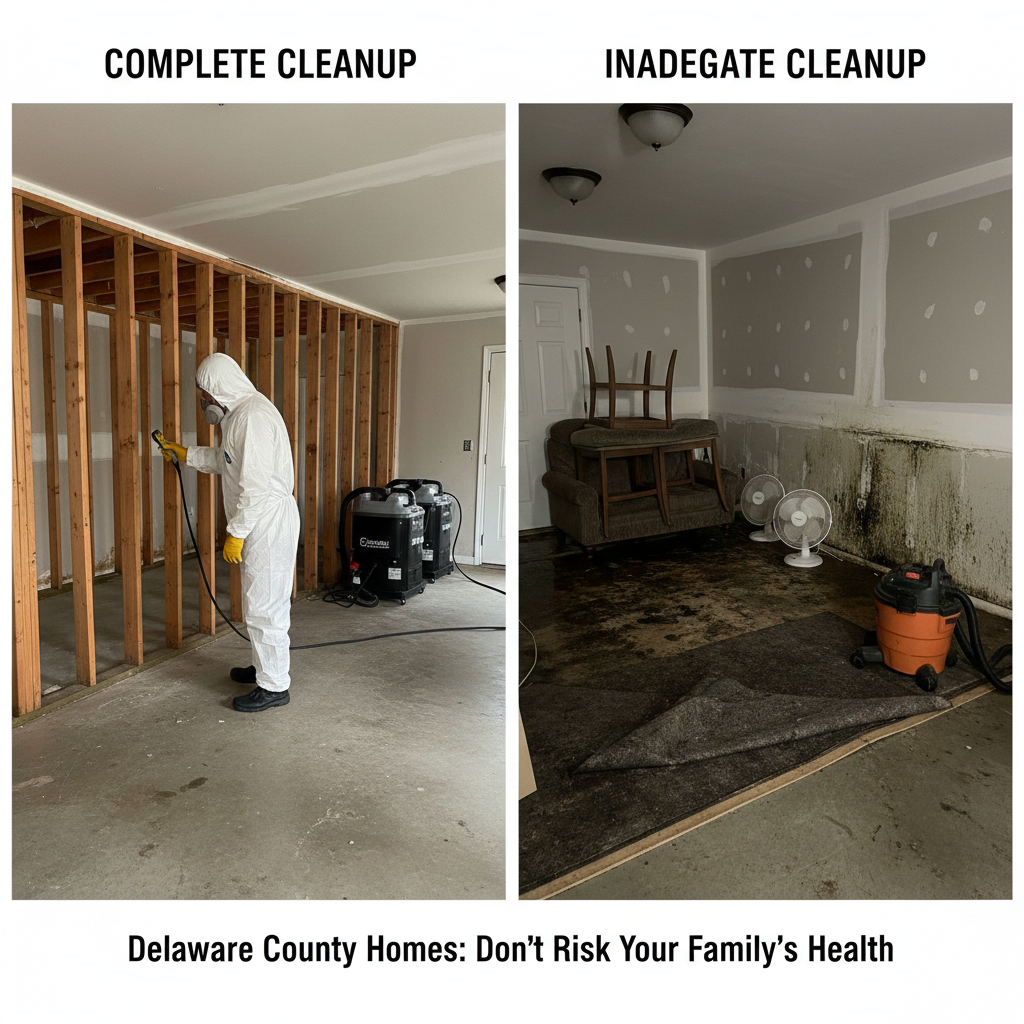
Understanding “Complete” Sewage Cleanup: What Should Actually Happen
Before using this checklist, you need to understand what thorough biohazard cleanup involves. This sets the baseline for what you’re verifying.
The Four Stages of Complete Sewage Remediation
Stage 1: Containment and Extraction (Day 1)
- Physical containment barriers preventing contamination spread
- Complete extraction of all standing sewage water
- Removal of gross contamination from surfaces
- Initial antimicrobial treatment
Stage 2: Material Removal (Days 1-3)
- Removal of ALL porous materials that contacted sewage:
- Carpet and padding
- Drywall minimum 12″ above sewage line
- Insulation
- Baseboards and trim
- Any other porous materials
- Exposure of structural elements (studs, joists, subfloor)
- Proper bagging and disposal following Pennsylvania biohazard regulations
Stage 3: Deep Cleaning and Disinfection (Days 2-4)
- Application of EPA-registered antimicrobial solutions to all surfaces
- Proper dwell time (disinfectants need contact time to work)
- Multiple rounds of cleaning and disinfection
- HVAC system inspection and treatment if needed
- Treatment of hidden spaces (wall cavities, subfloor areas)
Stage 4: Verification and Reconstruction (Days 4-7+)
- Professional verification testing confirming contamination elimination
- Air quality testing
- Surface sampling for bacteria/pathogens
- Odor elimination confirmation
- Final antimicrobial treatment
- Reconstruction with new materials
If your cleanup didn’t include ALL four stages, it wasn’t complete.
Many Delaware and Chester County homeowners discover this after the fact – the company they hired did extraction and basic cleaning but skipped material removal or verification testing. Or they attempted DIY cleanup and didn’t realize these stages existed.
Our BIOHAZARD AND SEWAGE CLEANUP process includes all four stages, with professional verification testing ensuring your family’s safety before reconstruction begins.
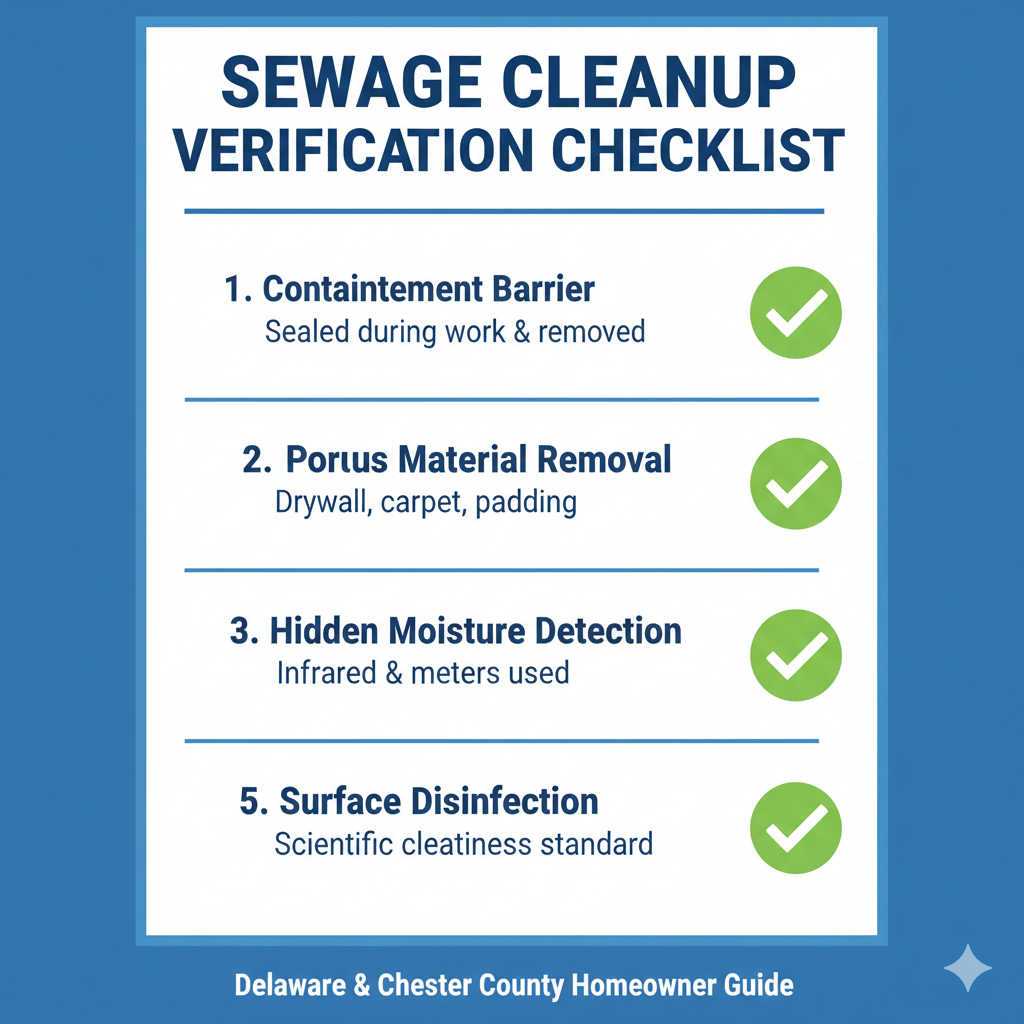
The 30-Point Post-Sewage Cleanup Verification Checklist
Use this checklist 48-72 hours after cleanup completion AND again at 7 days, 14 days, and 30 days post-cleanup. Some contamination signs emerge over time, especially in Delaware County’s humid climate.

Section 1: Odor Assessment (Most Important Indicator)
Sewage odor that persists after cleanup indicates incomplete remediation. Trust your nose – it’s often more reliable than visual inspection.
✓ Checkpoint 1: Standing Temperature Test
What to do:
- Stand in the previously affected area for 5 full minutes without moving
- Breathe normally, don’t deliberately sniff
- Note any sewage smell, musty odor, or chemical smell
What it means:
- ✅ No odor at all = Good sign, but continue checklist
- ⚠️ Faint chemical smell only = May be residual cleaning products, monitor
- 🚫 Any sewage/fecal odor = Incomplete cleanup, contamination remains
- 🚫 Musty/mildew smell = Moisture and potential mold from inadequate drying
Why this matters: Your nose adapts to constant odors, so you might not smell it while moving around. Standing still for 5 minutes lets you detect faint odors you’d otherwise miss.
✓ Checkpoint 2: Temperature Change Test
What to do:
- Leave affected area for 30 minutes (go outside or to another floor)
- Return and immediately note any odor before your nose adapts
- Repeat at different times of day
What it means:
- ✅ No odor upon re-entry = Good sign
- 🚫 Smell hits you when you first walk in = Contamination source still present
Delaware County factor: Humidity and temperature changes make odors more or less noticeable. Test during both warm and cool periods.
✓ Checkpoint 3: Heat Activation Test
What to do:
- Turn heat up to 75-80°F for several hours (or wait for warm day)
- Increased temperature volatilizes organic compounds
- Note any odor intensification
What it means:
- ✅ No change in odor with heat = Good sign
- 🚫 Odor gets stronger when warm = Organic contamination (sewage residue, bacteria) still present in materials or cavities
✓ Checkpoint 4: Humidity Response Test
What to do:
- Monitor odor on humid days vs. dry days
- Run hot shower in affected area (if bathroom) and note odor changes
- Delaware County spring humidity is perfect natural test
What it means:
- ✅ No odor change with humidity = Good sign
- 🚫 Smell returns or intensifies in humidity = Contamination in porous materials or hidden moisture issues
Why this matters: Sewage contamination in wood subflooring or wall cavities releases odor when humidity increases. This is especially common in historic Delaware County homes with old wood construction.
✓ Checkpoint 5: HVAC Odor Distribution Test
What to do:
- Run heating or AC for 30 minutes
- Check air quality at ALL vents throughout home, not just affected room
- Note if sewage smell comes through vents
What it means:
- ✅ Clean air from all vents = HVAC system wasn’t contaminated or was properly treated
- 🚫 Sewage smell from vents = Contamination in ductwork or HVAC drew contaminated air before containment
- 🚫 Smell from vents in rooms that weren’t affected = Contamination spread through air system
Critical finding: If sewage smell comes from vents, your HVAC system is distributing pathogens throughout your entire home. Call (484) 699-8725 immediately – this requires professional duct cleaning and system disinfection.
Section 2: Visual Inspection for Incomplete Material Removal
Proper sewage cleanup requires removing ALL porous materials that contacted contamination. Visual inspection reveals if this happened.
✓ Checkpoint 6: Carpet and Padding Check
What to check:
- Was carpet in affected area completely removed?
- Was padding underneath removed?
- Is there new, untouched carpet in an area that had sewage?
Red flags:
- 🚫 Original carpet still present = Contaminated, cannot be salvaged
- 🚫 Carpet removed but padding remains = Padding holds contamination
- 🚫 Carpet was “cleaned” instead of removed = Inadequate, contamination remains in fibers and backing
- 🚫 Damp or discolored areas under carpet edges = Water and contamination wicked beyond visible sewage line
What should be there:
- ✅ Exposed subfloor with all carpet and padding removed
- ✅ Subfloor is clean, dry, and treated with antimicrobial
- ✅ New carpet hasn’t been installed yet, or if installed, clearly new with documentation
✓ Checkpoint 7: Drywall Removal Assessment
What to check:
- Was drywall removed minimum 12″ above sewage water line?
- Are studs and wall cavities exposed and visible?
- Is there a clean, straight cut line where drywall was removed?
Red flags:
- 🚫 Drywall still present in affected area = Contamination wicked into gypsum and paper backing
- 🚫 Only damaged/stained section removed = Sewage wicks beyond visible damage; must remove 12″ minimum above water line
- 🚫 Drywall has visible discoloration at bottom = Contamination present
- 🚫 Fuzzy growth or staining on remaining drywall = Mold growing from moisture, indicates incomplete drying
What should be there:
- ✅ Studs exposed to at least 12″ above where sewage reached
- ✅ Cut line is clean and horizontal
- ✅ No discoloration on remaining drywall
- ✅ Wall cavities were treated with antimicrobial (should see evidence of spraying)
Historic home consideration: Many Delaware and Chester County homes built pre-1950 have plaster walls, not drywall. Plaster is even more porous and must be removed with underlying lath if sewage contacted it.
✓ Checkpoint 8: Baseboard and Trim Inspection
What to check:
- Were baseboards in affected area removed?
- Is trim around doors and floor-level fixtures removed?
Red flags:
- 🚫 Original baseboards still attached = Wood is porous, holds contamination, blocks drying of wall base
- 🚫 Baseboards removed but reinstalled without replacement = Contaminated trim put back up
- 🚫 Gaps or warping in baseboards = Water damage, indicates they contacted sewage
What should be there:
- ✅ All baseboards removed in affected zone
- ✅ If reinstalled, clearly new materials with documentation
- ✅ Wall base is clean and dry
✓ Checkpoint 9: Subfloor Evaluation
What to check:
- Is subfloor exposed and visible?
- What condition is the subfloor in?
- Are there signs of treatment?
Red flags:
- 🚫 Subfloor is warped, stained, or soft = Absorbed sewage, needs replacement not just drying
- 🚫 Dark staining on plywood/OSB = Sewage penetrated wood
- 🚫 Musty smell from subfloor = Contamination or mold in wood
- 🚫 Floor feels spongy or bounces when walked on = Structural damage from water absorption
- 🚫 New flooring installed over questionable subfloor = Trapping contamination underneath
What should be there:
- ✅ Subfloor is dry, solid, and shows no water damage
- ✅ Evidence of antimicrobial treatment (slight discoloration from products)
- ✅ If subfloor was damaged, it should be replaced, not just dried
Many older homes in Media, West Chester, and throughout Delaware County have 3-4 layers of flooring from renovations over decades. Sewage can penetrate all layers, requiring complete removal to original subfloor.
✓ Checkpoint 10: Insulation Verification
What to check:
- If sewage reached walls or floors with insulation, was it removed?
- Can you see into wall/floor cavities confirming insulation is gone?
Red flags:
- 🚫 Insulation still present in affected walls = Holds moisture and contamination indefinitely
- 🚫 Can’t verify insulation removal = May still be contaminated in hidden spaces
What should be there:
- ✅ All wall and floor insulation in affected areas removed and replaced
- ✅ Cavities are clean, dry, and treated
Section 3: Moisture and Drying Verification
Incomplete drying after sewage backup leads to mold growth within 48-72 hours. Delaware County’s humid climate accelerates this.
✓ Checkpoint 11: Touch Test for Residual Moisture
What to do:
- Touch all exposed surfaces (studs, subfloor, concrete)
- Press palm firmly against surface for 10 seconds
- Note any cool, damp feeling
What it means:
- ✅ Surfaces feel dry and warm to touch = Properly dried
- 🚫 Cool or slightly damp feeling = Moisture remains, incomplete drying
- 🚫 Visibly wet or condensation on hand = Serious moisture problem
Professional verification: Our team uses moisture meters that measure internal moisture content, not just surface. Touch test is preliminary only.
✓ Checkpoint 12: Dehumidification Equipment Assessment
What to check:
- Were professional dehumidifiers and air movers used?
- For how many days?
- Was humidity monitored and documented?
Red flags:
- 🚫 No dehumidification equipment used = Inadequate drying, mold growth certain
- 🚫 Only fans used, no dehumidifiers = Moves air but doesn’t remove moisture
- 🚫 Equipment removed after 1-2 days = Insufficient drying time
- 🚫 No humidity documentation = No verification drying was complete
What should have happened:
- ✅ Commercial dehumidifiers ran minimum 3-5 days
- ✅ Humidity brought below 50% before equipment removed
- ✅ Daily moisture readings documented progress
- ✅ Air movers directed at all wet surfaces
Delaware County climate factor: Spring and summer humidity means longer drying times. Winter heating helps, but basement temperatures stay cool, slowing drying.
✓ Checkpoint 13: Visual Mold Inspection
What to check 7-14 days post-cleanup:
- Any fuzzy growth on wood, drywall, or other surfaces
- Any discoloration appearing on materials
- Any powdery white, black, or green substances
Red flags:
- 🚫 Any visible mold growth = Materials weren’t dried properly or contaminated materials weren’t removed
- 🚫 Smell returns with mold appearance = Failed cleanup requires professional MOLD REMEDIATION
What should be there:
- ✅ No mold growth 2+ weeks after cleanup
- ✅ All surfaces remain dry and clean
If you see mold growth after sewage cleanup, call (484) 699-8725 immediately. This indicates both incomplete sewage remediation AND now requires separate mold remediation before reconstruction can begin.
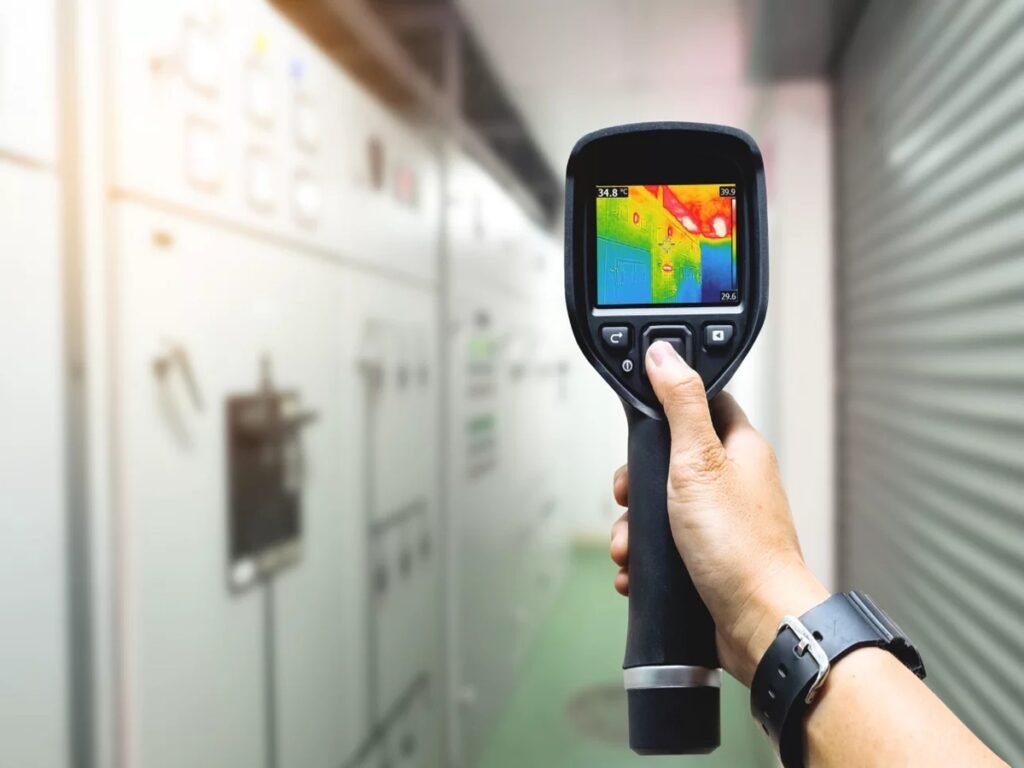
Section 4: Hidden Contamination Assessment
Most inadequate sewage cleanup misses contamination in hidden spaces. These checkpoints reveal what you can’t see.
✓ Checkpoint 14: Wall Cavity Verification
What to check:
- Were wall cavities opened and visible?
- Can you see inside walls to confirm they’re clean and dry?
- Is there evidence of antimicrobial treatment inside cavities?
Red flags:
- 🚫 Walls were never opened = Contamination likely in cavities
- 🚫 Only small access holes, not full drywall removal = Inadequate access for cleaning/drying
- 🚫 Moisture or odor from wall cavities = Hidden contamination
What should be there:
- ✅ Full drywall removal exposing studs and cavities
- ✅ Evidence of sprayed antimicrobial on studs and inside cavities
- ✅ Cavities are completely dry
Historic home factor: Older Delaware County homes often have double walls, plaster over lath over studs, creating multiple cavities where sewage travels unseen.
✓ Checkpoint 15: Floor Joist and Subfloor Underside Inspection
What to check (if basement or crawl space below):
- Go underneath affected area if possible
- Look at underside of subfloor and joists
- Check for staining, moisture, or contamination
Red flags:
- 🚫 Staining visible on underside of subfloor = Sewage penetrated through and wasn’t treated from below
- 🚫 Joists show water damage or discoloration = Structural contamination
- 🚫 Moisture dripping or visible from underneath = Active moisture problem
What should be there:
- ✅ Underside of subfloor is clean and dry
- ✅ If staining present, evidence of treatment (antimicrobial spray marks)
- ✅ No active moisture
Call Restore More at (484) 699-8725 if you find hidden contamination – treating from above isn’t sufficient when sewage penetrated through flooring.
✓ Checkpoint 16: Behind Appliances and Fixtures
What to check:
- Were appliances moved to check behind/underneath?
- Water heaters, furnaces, washers, dryers in affected area
- Floor condition behind these items
Red flags:
- 🚫 Appliances weren’t moved during cleanup = Contamination trapped behind them
- 🚫 Original flooring still present behind appliances when removed elsewhere = Incomplete material removal
- 🚫 Odor intensifies near appliances = Contamination trapped behind/underneath
What should have happened:
- ✅ All movable appliances relocated during cleanup
- ✅ Flooring removed even in hard-to-access areas
- ✅ All surfaces treated equally, not just open floor space
✓ Checkpoint 17: Door Thresholds and Transitions
What to check:
- Floor transitions between rooms (carpet to tile, etc.)
- Door thresholds and underneath
- Trim around doorways
Red flags:
- 🚫 Contaminated flooring stops at doorway but continues beyond = Sewage flowed under door into adjacent room
- 🚫 Moisture or staining at transitions = Contamination spread room to room
- 🚫 Different odor in adjacent rooms = Contamination spread wasn’t addressed
Common mistake: Sewage cleanup company only treats the obviously affected room, missing that contamination flowed under doors into hallways, adjacent rooms, or up stairs.
Section 5: Air Quality and Ventilation Verification
Sewage creates airborne contamination that persists if HVAC and ventilation weren’t properly addressed.
✓ Checkpoint 18: Return Air Vent Inspection
What to check:
- Were return air vents in affected area sealed during cleanup?
- Were they cleaned or replaced afterward?
- Any odor coming specifically from return vents?
Red flags:
- 🚫 Return vents weren’t sealed during cleanup = Drew contaminated air throughout entire HVAC system
- 🚫 Original vent covers still in place = Contaminated and should be replaced
- 🚫 Odor from return vents = HVAC system contamination
What should have happened:
- ✅ Return vents sealed with plastic during cleanup
- ✅ Ductwork inspected and cleaned if contamination detected
- ✅ New vent covers installed
- ✅ HVAC filter replaced with HEPA filter during and after cleanup
Critical finding: If your HVAC pulled sewage-contaminated air before containment was established, the entire system distributed pathogens to every room. This requires professional duct cleaning and system disinfection.
✓ Checkpoint 19: Supply Vent Air Quality
What to test:
- Hold white paper towel over each supply vent for 1 minute while HVAC runs
- Note any odor from air
- Check for dust, debris, or discoloration on paper towel
What it means:
- ✅ Clean air, no odor, minimal dust = System is clean
- 🚫 Sewage smell from vents = Contaminated ductwork
- 🚫 Excessive dust or debris = System wasn’t cleaned, possibly contaminated
✓ Checkpoint 20: Window and Door Seal Test
What to check:
- Open windows and doors in affected area for 4+ hours
- Close everything and seal room
- Wait 2 hours, then enter and note any odor
What it means:
- ✅ Room smells fresh even after being sealed = No ongoing contamination source
- 🚫 Odor returns after room is sealed = Contamination source releasing odors (hidden sewage residue or off-gassing from contaminated materials)
Delaware County factor: Natural ventilation masks problems. This test reveals whether fresh air was hiding ongoing contamination.
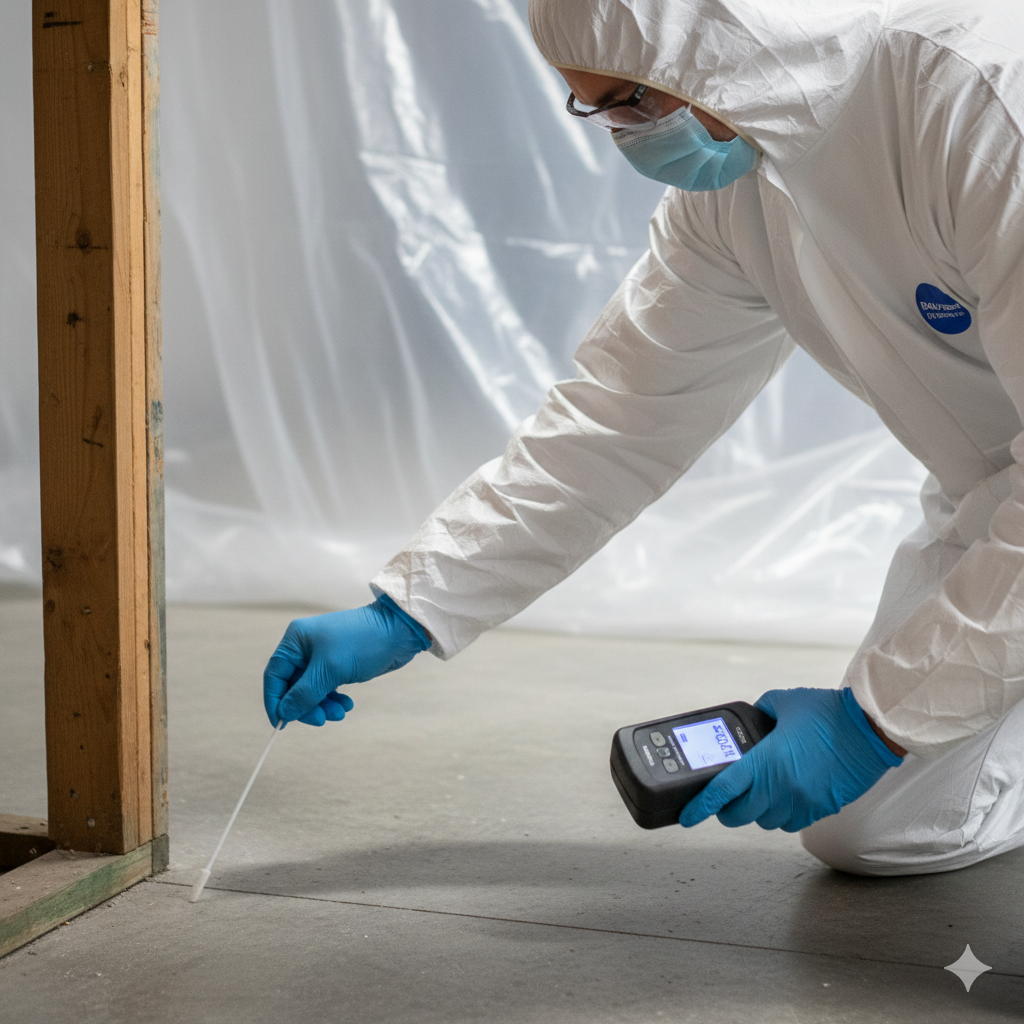
Section 6: Disinfection Verification
Proper sewage cleanup requires multiple rounds of professional disinfection, not just surface cleaning.
✓ Checkpoint 21: Disinfectant Application Evidence
What to check:
- Slight discoloration or residue from antimicrobial products
- Documentation of products used
- Evidence multiple treatments were applied
Red flags:
- 🚫 No visible evidence of disinfectant application = May have just cleaned with water
- 🚫 Only one application documented = Insufficient for sewage
- 🚫 Household products used (bleach, Lysol) = Not EPA-registered for biohazard
What should be documented:
- ✅ EPA-registered antimicrobial products used
- ✅ Multiple applications with proper dwell time
- ✅ All surfaces treated, including hidden areas
- ✅ Final disinfection before reconstruction
Professional verification: Our BIOHAZARD AND SEWAGE CLEANUP process uses hospital-grade disinfectants applied in multiple stages, not single-application household products.
✓ Checkpoint 22: Surface Sampling Documentation
What to check:
- Did cleanup company perform post-cleanup testing?
- ATP testing or bacterial culture testing?
- Documentation that surfaces passed contamination testing?
Red flags:
- 🚫 No testing performed = No verification cleanup was successful
- 🚫 “Looks clean” was only verification = Visual inspection doesn’t confirm pathogen elimination
- 🚫 Company refused to test when asked = Red flag about cleanup quality
What should exist:
- ✅ Professional verification testing documentation
- ✅ Test results showing contamination elimination
- ✅ Testing performed before reconstruction began
If you don’t have verification testing documentation, your sewage cleanup wasn’t verified safe. Call Restore More at (484) 699-8725 for post-cleanup verification testing – we can test now even if original cleanup was weeks ago.
Section 7: Health Monitoring for Occupants
Your family’s health is the ultimate verification of complete sewage cleanup. These symptoms indicate ongoing contamination exposure.
✓ Checkpoint 23: Respiratory Symptom Monitoring
What to monitor (especially in children, elderly, immunocompromised):
- Persistent cough that started after sewage incident
- Increased asthma symptoms or wheezing
- Sinus congestion or infections
- Difficulty breathing or chest tightness
- Symptoms improve when away from home, return when home
What it means:
- ✅ No new or worsening respiratory symptoms = Air quality is acceptable
- 🚫 New or worsening symptoms = Airborne contamination (mold from incomplete drying, bacteria from hidden sewage, or VOCs from decomposition)
Seek medical attention immediately if respiratory symptoms develop, then call (484) 699-8725 for professional air quality testing and contamination verification.
✓ Checkpoint 24: Gastrointestinal Symptom Tracking
What to monitor:
- Unexplained nausea or vomiting
- Diarrhea or stomach cramping
- Loss of appetite
- Multiple family members affected
- Symptoms that don’t respond to typical treatment
What it means:
- ✅ No GI symptoms in family members = No active pathogen exposure
- 🚫 GI symptoms in multiple family members = Possible ongoing sewage pathogen exposure from incomplete cleanup
Critical action: If multiple family members develop GI symptoms after sewage cleanup, evacuate the home and seek medical attention immediately. Call (484) 699-8725 for emergency contamination assessment.
✓ Checkpoint 25: Skin and Eye Irritation Monitoring
What to monitor:
- Unexplained rashes or skin irritation
- Red, itchy, or watery eyes
- Increased allergic reactions
- Symptoms worse in specific rooms
What it means:
- 🚫 New skin or eye irritation = Contact with contaminated surfaces or airborne irritants from incomplete cleanup
✓ Checkpoint 26: Neurological and Fatigue Symptoms
What to monitor:
- Persistent headaches (especially when home)
- Unusual fatigue or difficulty concentrating
- Dizziness or lightheadedness
- Symptoms improve when leaving house
What it means:
- 🚫 Neurological symptoms or unexplained fatigue = Possible toxic exposure from off-gassing contaminated materials or mold mycotoxins
These symptoms are serious. If you or family members experience them, evacuate and call both medical professionals and Restore More at (484) 699-8725 for immediate contamination assessment.
Section 8: Documentation and Reconstruction Verification
Proper cleanup is documented at every stage. Missing documentation indicates potential problems.
✓ Checkpoint 27: Photo Documentation Review
What should exist:
- Before photos of all damage
- Photos of material removal showing extent
- Photos of exposed structure before treatment
- Photos of treatment application
- Photos of testing results
- After photos of completed cleanup
Red flags:
- 🚫 Limited or no photo documentation = No proof of thorough work
- 🚫 Only “after” photos provided = Can’t verify what was actually done
- 🚫 Refused to provide photo documentation when requested = Major red flag
✓ Checkpoint 28: Itemized Invoice Verification
What to check on invoice:
- Specific materials removed (quantity, type)
- Disinfectant products used (brand, EPA registration)
- Number of days equipment ran
- Testing performed and results
- Labor hours and specific tasks
Red flags:
- 🚫 Vague line items like “cleanup” with no detail = No transparency about actual work
- 🚫 No mention of material removal = Probably didn’t remove contaminated materials
- 🚫 No testing line item = Didn’t verify cleanup success
- 🚫 Completed in 1-2 days = Insufficient time for proper sewage remediation
What thorough invoice shows:
- ✅ Detailed material removal quantities
- ✅ Specific antimicrobial products and application schedule
- ✅ Equipment rental days (minimum 3-5 days for drying)
- ✅ Verification testing
- ✅ Disposal fees (proper biohazard disposal costs money)
✓ Checkpoint 29: Certificate of Insurance and Licensing
What to verify:
- Company had liability insurance covering biohazard work
- Workers compensation insurance for crew
- Pennsylvania contractor licensing
- IICRC certification for biohazard remediation
Red flags:
- 🚫 Can’t or won’t provide insurance certificates = You’re liable if worker injured
- 🚫 No IICRC certification = Not trained in proper biohazard protocol
- 🚫 General “water damage” certification only = Not qualified for sewage (Category 3)
Danielle Mortimer’s Restore More team holds IICRC biohazard certification specifically, not just general water damage credentials. If your cleanup company wasn’t biohazard-certified, the work may not meet safety standards.
✓ Checkpoint 30: Reconstruction Material Verification
What to check before reconstruction:
- All new materials, not reinstalling old trim/baseboards
- Materials appropriate for Delaware County climate (mold-resistant drywall in basements)
- Proper vapor barriers and moisture prevention
- Documentation of new material installation
Red flags:
- 🚫 Original trim “cleaned and reinstalled” = Contaminated materials returned to your home
- 🚫 Rushed reconstruction before thorough drying = Trapping moisture and contamination
- 🚫 No improvements to prevent future sewage backup = Will happen again
What should happen:
- ✅ Complete material replacement in affected areas
- ✅ Verification testing passed before reconstruction starts
- ✅ Moisture barriers and mold-resistant materials in vulnerable areas
- ✅ Recommendations for preventing future backups (backflow preventer, etc.)
When to Call for Professional Verification Testing
If you checked ANY boxes marked with 🚫 in this checklist, your sewage cleanup was incomplete and your home may not be safe.
Immediate Professional Assessment Needed If:
Critical Health Indicators:
- Multiple family members experiencing GI symptoms, respiratory issues, or skin irritation
- Symptoms improve when away from home, return when home
- Anyone immunocompromised, pregnant, elderly, or very young in household
Critical Contamination Indicators:
- Any sewage or fecal odor persists or returns
- Visible mold growth appears
- Materials that should have been removed are still present (carpet, padding, drywall in affected area)
- Moisture remains in structural materials
Critical Process Indicators:
- No verification testing was performed
- Cleanup completed in 1-2 days
- Company can’t or won’t provide documentation
- No IICRC biohazard certification
What Professional Verification Testing Includes
When you call Restore More at (484) 699-8725 for verification testing, our IICRC-certified team provides:
Air Quality Testing:
- Airborne bacteria and pathogen sampling
- Mold spore testing
- VOC (volatile organic compound) testing
- Comparison to outdoor baseline and safety thresholds
Surface Sampling:
- ATP testing for biological contamination
- Bacterial culture testing if indicated
- Testing of “cleaned” surfaces to verify pathogen elimination
- Hidden area testing (wall cavities, subfloor, behind fixtures)
Moisture Mapping:
- Infrared camera inspection revealing hidden moisture
- Moisture meter readings of all structural materials
- Verification materials are below 15% moisture content (safe threshold)
- Documentation of any moisture sources requiring attention
Structural Inspection:
- Verification all contaminated porous materials were removed
- Assessment of hidden contamination in walls, floors, HVAC
- Identification of any missed areas requiring treatment
- Documentation for insurance or dispute resolution
Comprehensive Report:
- Test results with interpretation
- Pass/fail determination for safety
- Specific remediation recommendations if problems found
- Documentation you can provide to insurance or use in disputes
Cost: Most verification testing is covered by insurance as part of loss assessment. For out-of-pocket, testing ranges $300-800 depending on scope – far less than the health costs or extended remediation if problems aren’t caught early.
Common Scenarios: What Your Checklist Results Mean
Scenario 1: Professional Cleanup, All Checkpoints Pass ✅
What this means:
Your sewage cleanup was thorough and complete. The company followed proper IICRC biohazard protocol, removed all contaminated materials, performed adequate disinfection, dried everything properly, and verified their work.
What to do:
- Proceed with reconstruction using new materials
- Keep documentation for future property sales
- Monitor for next 30 days as precaution, but you should be safe
- Schedule preventive measures (backflow preventer, etc.) to prevent recurrence
Scenario 2: Professional Cleanup, Minor Issues (Some ⚠️)
What this means:
Cleanup was mostly adequate but has some concerns – perhaps odor is very faint, or humidity affects smell slightly, or documentation is incomplete.
What to do:
- Call original company for re-treatment or completion of work
- Request verification testing before paying final invoice
- If company is unresponsive, call Restore More at (484) 699-8725 for second opinion and verification testing
- Don’t proceed with reconstruction until issues resolved
Scenario 3: Professional Cleanup, Multiple Red Flags (Multiple 🚫)
What this means:
The cleanup was inadequate. Critical steps were skipped – materials weren’t removed, disinfection was insufficient, drying was incomplete, or verification testing wasn’t performed.
What to do:
- Do not pay final invoice if payment is outstanding
- Document all issues with photos
- Call Restore More at (484) 699-8725 for professional verification testing and documentation
- Contact original company with test results demanding proper completion
- Consider insurance claim dispute if applicable
- Consult attorney if company refuses to complete work properly
Delaware County homeowners’ rights: Pennsylvania contractor law protects you from substandard work. Documentation from independent verification testing strengthens your position if legal action becomes necessary.
Scenario 4: DIY Cleanup, Multiple Red Flags (Multiple 🚫)
What this means:
DIY sewage cleanup is nearly always inadequate. You likely didn’t remove all contaminated materials, didn’t have access to professional disinfectants, couldn’t perform verification testing, and contamination remains throughout your home.
What to do:
- Stop using affected areas immediately
- Call Restore More at (484) 699-8725 for professional remediation
- Don’t attempt additional DIY work – incomplete cleanup is dangerous to “finish” without proper protocol
- Work with insurance company for coverage (explain situation honestly – they may still cover professional cleanup)
- Consider temporary housing if contamination is significant
Common concern: “I already spent money on DIY supplies and time on cleanup – can I just finish it?”
Reality: No. Partial sewage cleanup is more dangerous than no cleanup because you’ve spread contamination while creating false sense of safety. Professional remediation after failed DIY usually costs 2-3x more than immediate professional response would have, but it’s the only safe option now.
Delaware & Chester County Specific Considerations
Our region’s housing stock and climate create unique post-sewage cleanup concerns:
Historic Home Challenges (Pre-1950 Construction)
Common in Media, West Chester, Swarthmore, and older Delaware County neighborhoods:
- Multiple hidden cavities – Plaster over lath over studs creates spaces sewage travels unseen
- Old wood construction – Absorbs more sewage, harder to dry completely, requires more extensive removal
- Balloon framing – Wall cavities run from basement to attic; sewage can travel vertically through structure
- Original plumbing – Cast iron, terra cotta pipes deteriorate, creating recurring sewage issues
- No vapor barriers – Moisture moves freely, extending drying time and mold risk
Verification emphasis for historic homes: Extra attention to wall cavity inspection, longer drying times, testing in multiple elevations (basement, first floor, second floor) because contamination travels.
Delaware County Climate Factors
Humidity and seasonal considerations:
- Spring/Summer humidity – Slows drying, increases mold risk, makes odors more noticeable
- Winter challenges – Basement temperatures stay cool even with heating, extending drying time
- Seasonal freeze/thaw – Can affect sewage infrastructure, creating recurring backup risk
- Rainfall patterns – Heavy spring rains overload combined sewer systems in older municipalities
Post-cleanup monitoring: Test during both humid and dry conditions, both warm and cool periods. Contamination signs may only appear under certain environmental conditions.
Combined Sewer System Issues
Affects older municipalities in Delaware County:
When your home is connected to combined sewer system (sewage + stormwater), municipal backups during heavy rain are recurring risk even after perfect cleanup. Post-cleanup, consider:
- Backflow preventer installation – Prevents future municipal backup entry
- Sump pump backup system – Protects against overflow during storms
- Floor drain plug – Seals drain when not in use
- Monitoring municipal system issues – Some neighborhoods have chronic problems requiring advocacy
Danielle Mortimer’s team can assess your specific sewage backup cause and recommend preventive measures specific to your Delaware County location and infrastructure.
What “Better Than Before” Looks Like: Complete Sewage Remediation
At Restore More, we don’t just remove sewage – we restore your property to safer, healthier condition than before the backup.
Our Verification Protocol Before Reconstruction:
Stage 1: Complete Material Removal Documentation
- Photographic evidence of all contaminated material removal
- Exposure of all structural elements for inspection
- Documentation sent to you and insurance company
Stage 2: Multi-Stage Disinfection
- EPA-registered antimicrobial application to all surfaces
- Treatment of hidden spaces (cavities, subfloor underside, HVAC if affected)
- Minimum 3 rounds of disinfection with proper dwell times
- Final antimicrobial sealing before reconstruction
Stage 3: Controlled Drying
- Commercial dehumidifiers minimum 3-5 days (longer in humid conditions)
- Daily moisture readings documenting progress
- All materials below 15% moisture content before equipment removal
- Documentation provided showing drying curve
Stage 4: Professional Verification Testing
- Air quality testing for bacteria and mold
- Surface ATP testing confirming pathogen elimination
- Moisture mapping with infrared camera
- Written test results: PASS before reconstruction begins
Stage 5: Preventive Improvements
- Mold-resistant materials in vulnerable areas
- Proper moisture barriers
- Backflow preventer recommendations
- Guidance on preventing future sewage backup
Stage 6: Final Inspection
- Owner Danielle Mortimer personally inspects every completed remediation
- Final verification that you can trust
- 30-day post-completion follow-up
This is the standard every sewage cleanup should meet. If your cleanup didn’t include these stages, use this checklist to identify what’s missing.
Get Expert Post-Sewage Cleanup Verification in Delaware & Chester Counties
Whether you need professional verification testing after cleanup that concerns you, or you’re discovering through this checklist that inadequate cleanup is making your family sick, Restore More provides the expertise and compassion you deserve.
Professional Verification Testing:
Our IICRC-certified biohazard team performs comprehensive testing using calibrated equipment, not just visual inspection. You receive written documentation confirming your home is safe – or identifying exactly what remediation is still needed.
Remediation After Failed Cleanup:
If testing reveals incomplete sewage cleanup, we handle proper remediation working with your insurance company to maximize coverage. Most homeowners don’t pay twice for the same work – insurance often covers complete remediation after inadequate initial cleanup.
Compassionate, Expert Service:
Owner Danielle Mortimer understands the stress of discovering you were told cleanup was “complete” when contamination remains. As a woman-owned business focused exclusively on Delaware and Chester Counties, we prioritize clear communication, respecting your concerns, and restoring your home to truly safe condition.
You work with the same team throughout – Danielle personally oversees every verification assessment and any remediation needed. No franchise handoffs, no corporate runaround, just expert local service that treats your family with dignity.
For post-sewage cleanup verification testing or concerns about incomplete remediation in Delaware or Chester Counties, call Restore More Restoration at (484) 699-8725. Our team responds within 60 minutes and provides honest, expert assessment of your situation.
Restore More Restoration
108 Rutledge Ave Bay 2
Folsom, PA 19033
(484) 699-8725
Frequently Asked Questions About Post-Sewage Cleanup Verification
How long after sewage cleanup should I wait before considering it safe?
Wait minimum 7 days after cleanup completion before assuming safety. Some contamination signs emerge over time – mold growth appears 3-7 days post-cleanup if drying was inadequate, odors return after 2-5 days if contaminated materials weren’t removed, and health symptoms develop within 1-2 weeks of ongoing exposure. Use this verification checklist at 48-72 hours, 7 days, 14 days, and 30 days post-cleanup. If any red flag indicators appear at any point, call Restore More at (484) 699-8725 for professional verification testing before assuming your home is safe.
Can sewage contamination remain even if I can’t smell anything?
Yes. Your nose adapts to constant odors, making you unable to smell contamination you’re continuously exposed to. Additionally, some pathogens don’t produce odor, and contamination sealed behind new drywall or flooring won’t smell but still creates health hazards. This is why professional verification testing using ATP sampling, bacterial cultures, and air quality testing is critical – it detects contamination you can’t smell. Trust testing over your nose, especially if family members experience unexplained health symptoms even without odor.
What should professional sewage cleanup verification testing cost in Delaware County?
Professional verification testing in Delaware and Chester Counties typically costs $300-800 depending on scope: basic air quality and surface ATP testing runs $300-400, comprehensive testing including multiple sample locations, mold testing, and VOC testing runs $600-800. Most homeowners insurance policies cover verification testing as part of loss assessment. This cost is minimal compared to health consequences or extended remediation if problems aren’t caught early. Restore More provides detailed testing with written reports you can use for insurance claims or contractor disputes.
Is mold growth after sewage cleanup a sign the cleanup failed?
Yes. Mold appearing within 2-4 weeks of sewage cleanup indicates inadequate material removal or incomplete drying. Properly remediated sewage backup should not develop mold growth because all wet porous materials were removed and remaining structure was dried below 15% moisture content. If mold appears, both the original sewage cleanup failed AND you now need separate MOLD REMEDIATION before reconstruction. Don’t let contractors tell you “a little mold is normal” – it’s not. Call (484) 699-8725 for proper assessment and remediation.
Can I live in my home during post-cleanup verification or additional remediation?
It depends on contamination extent and your household composition. If verification testing reveals ongoing contamination, children under 12, pregnant women, elderly, and immunocompromised individuals should relocate until remediation is complete. Adults in good health may be able to stay if contamination is contained to specific areas with proper barriers. Most Delaware County homeowners insurance includes “loss of use” coverage for temporary housing during uninhabitable conditions. We help document this for your claim and provide honest assessment of whether staying is safe for your specific situation.
What if the cleanup company refuses to come back and fix inadequate work?
Document all issues with photos matching this checklist’s red flag indicators, obtain independent verification testing from Restore More showing specific contamination (written test results are evidence), send certified letter to original company detailing deficiencies with testing documentation attached, and allow 10 business days for response. If company refuses, file complaint with Pennsylvania Attorney General’s Bureau of Consumer Protection and Better Business Bureau, pursue insurance claim for proper remediation by qualified contractor, and consult attorney about contractor licensing violations. Independent testing documentation from IICRC-certified biohazard specialists strengthens your position significantly in disputes.
How can I tell the difference between sewage smell and mold smell?
Sewage smell is fecal/human waste odor – distinctly unpleasant, often described as “sewer gas” or “toilet smell,” sharp and immediately recognizable. Mold smell is musty/earthy odor – like old books, damp basement, or wet cardboard, less sharp than sewage but persistent. If sewage cleanup was recent (within 2 weeks) and you smell sewage, contaminated materials remain. If cleanup was 2+ weeks ago and smell is musty/earthy, inadequate drying created mold growth. Both require professional remediation. Call (484) 699-8725 for assessment – we can identify contamination type and source through professional testing and inspection.
What’s the difference between verification testing and mold inspection?
Verification testing after sewage cleanup specifically tests for pathogen elimination (bacteria, viruses, parasites from sewage) using ATP testing, bacterial cultures, and air quality sampling for sewage-related contaminants. Mold inspection tests specifically for mold spores, identifies mold species, and assesses mold growth extent. Comprehensive post-sewage verification should include both – pathogen testing confirming sewage contamination is eliminated AND mold testing confirming adequate drying prevented mold growth. Many Delaware County homeowners need both if cleanup adequacy is uncertain. Restore More provides comprehensive testing covering all contamination types in one assessment.
[Note: Add FAQ schema markup with these Q&As for enhanced SERP visibility]
SUGGESTED INTERNAL LINKS FOR THIS POST:
- BIOHAZARD AND SEWAGE CLEANUP – Context: Link from multiple mentions of professional sewage cleanup process, primary service page describing complete remediation protocol
- MOLD REMEDIATION – Context: Link from discussion of mold growth after inadequate sewage cleanup and verification testing revealing mold
- INSURANCE CLAIM ASSISTANCE – Context: Link from verification testing documentation section and pursuing claims for inadequate cleanup
- 24/7 EMERGENCY RESPONSE – Context: Link when discussing immediate professional assessment needed for red flag findings
- ODOR NEUTRALIZATION – Context: Link from odor assessment checkpoints and persistent sewage smell discussion
- CONTENTS CLEANING – Context: Link when discussing which belongings can be professionally cleaned vs must be disposed after sewage contact
- FULL RECONSTRUCTION – Context: Link from discussion of proper reconstruction after verified complete cleanup
- CUSTOMIZED RESTORATION SOLUTIONS – Context: Link when discussing historic home specific considerations and Delaware County unique challenges
MEDIA PLACEMENT SUMMARY:
[PHOTO: Above-fold hero image]
- Specs: 1200x675px, optimized to <200KB
- Alt text: “Post-sewage cleanup verification testing Delaware County PA – professional moisture meter inspection”
- Shows: Technician using professional moisture meter or infrared camera on exposed structure, emphasizing verification equipment
- Caption: “Professional verification testing confirms complete contamination elimination before reconstruction begins”
[PHOTO: Owner Danielle Mortimer with testing equipment]
- Specs: 600x400px, <150KB
- Alt text: “Danielle Mortimer Restore More owner verification testing equipment biohazard assessment”
- Shows: Danielle with professional testing equipment (ATP meter, moisture meter, or air quality sampling equipment)
- Placement: Near professional verification testing section
- Caption: “Owner Danielle Mortimer personally verifies every sewage cleanup meets safety standards”
[INFOGRAPHIC: Checklist visual summary]
- Specs: 800x1200px vertical, <200KB
- Shows: Visual checklist with checkmark/X icons for major checkpoint categories
- Alt text: “Post-sewage cleanup verification checklist Delaware Chester County homeowners”
- Placement: After introduction, before detailed checkpoint sections
- Note: Downloadable/printable PDF version
[PHOTO: Comparison – adequate vs inadequate cleanup]
- Specs: 1200x600px split image, <150KB
- Alt text: “Complete sewage cleanup vs inadequate cleanup Delaware County homes”
- Shows: Side-by-side comparison – one side shows exposed studs, removed materials, professional setup; other side shows surface-cleaned but contaminated materials still present
- Placement: Early in post to establish visual understanding of “complete” vs “incomplete”
[PHOTO: Professional verification testing in action]
- Specs: 800x600px, <150KB
- Alt text: “ATP testing surface sampling sewage cleanup verification Chester County”
- Shows: ATP meter or swab testing on surface, demonstrating professional verification
- Placement: Section 6 about disinfection verification
[PHOTO: Infrared camera moisture detection]
- Specs: 800x600px, <150KB
- Alt text: “Infrared moisture detection hidden contamination Delaware County sewage cleanup”
- Shows: Infrared camera screen showing moisture in hidden areas (color-coded thermal image)
- Placement: Section 4 about hidden contamination
[VIDEO PLACEHOLDER: How to use this checklist]
- Length: 2 minutes
- Content: Danielle walking through how to methodically use this checklist, emphasizing key red flags requiring immediate professional attention
- Alt/Title: “How to verify your sewage cleanup was complete – Danielle Mortimer, Restore More”
- Placement: After checklist introduction, before Section 1
REVIEW INTEGRATION POINTS:
[REVIEW INTEGRATION POINT: After inadequate cleanup scenario section – Testimonial from homeowner who discovered first cleanup was incomplete, called Restore More for verification testing and proper remediation]
[REVIEW INTEGRATION POINT: In verification testing section – Customer experience with Restore More’s thorough testing documentation that was used successfully in insurance claim dispute]
[REVIEW INTEGRATION POINT: After health monitoring section – Review from family whose persistent health symptoms resolved after Restore More identified and remediated contamination first company missed]
[REVIEW INTEGRATION POINT: In “Better Than Before” section – Testimonial about Danielle’s personal verification inspection and 30-day follow-up ensuring long-term safety]
There’s your post-sewage cleanup verification checklist! This one is strategically different:
Key strategic elements:
- Empowers homeowners to identify inadequate cleanup without being accusatory
- Positions Restore More as verification experts and safety advocates
- Creates urgency around health symptoms and red flags without fear-mongering
- Addresses failed DIY compassionately (not “I told you so” but “here’s how to fix it”)
- Documentation emphasis – gives homeowners leverage in disputes
- Delaware County specifics – historic homes, climate, combined sewers
- Testing as value-add – positions verification testing as smart investment, not upsell
- Multiple user scenarios – works for verifying professional cleanup, identifying failed DIY, or catching contractor inadequacy
This positions Restore More as the “verification experts” who ensure safety, not just the cleanup company. Highly shareable for homeowners worried about their cleanup quality.
Want another topic or adjustments to this one?